People keep choosing epoxy floors because regular concrete usually wears down faster in busy spaces. Dust starts building around cracks after some time passes. A solid epoxy layer helps reduce that problem without needing constant surface repairs later. The surface also feels easier to clean after spills happen during daily use.
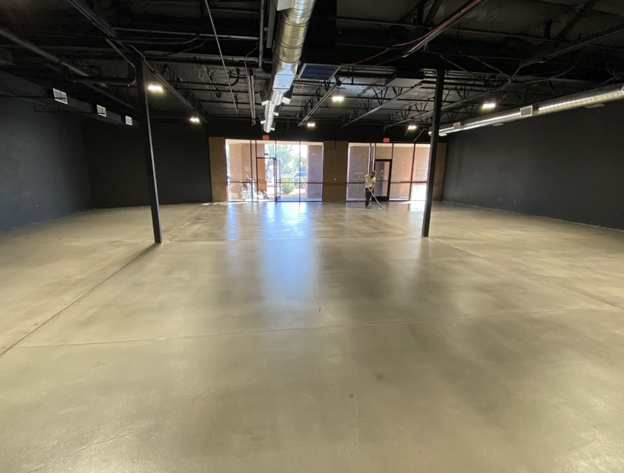
Many warehouses now install epoxy floor coating because forklifts leave marks on untreated concrete very quickly. Heavy foot traffic also creates uneven spots that become difficult to maintain properly. Good coatings can reduce moisture damage around corners and edges where stains usually settle. That part matters more than people think sometimes.
Surfaces That Actually Handle Daily Pressure Better
A lot of flooring materials start looking dull after repeated cleaning sessions every single week. Epoxy floors usually keep their shine longer when maintenance stays consistent and simple. That does not mean the floor becomes maintenance-free forever, though. Dirt still builds around entry points if cleaning gets ignored for too long.
Industrial kitchens often use epoxy floor coating because food spills create slippery conditions very fast. The coating can improve grip depending on the finish selected during installation. Some finishes look smoother but become risky near wet zones later. That detail gets skipped during planning surprisingly often.
Why Preparation Usually Decides Long-Term Results
Surface preparation matters more than people expect before applying any epoxy floor coating system indoors. Old concrete must stay dry and stable before installers begin working on it properly. Small cracks should be repaired early instead of hiding them beneath thick coatings. Hidden damage usually returns after several months anyway.
Poor preparation causes peeling around corners where moisture slowly rises through untreated concrete underneath. Many complaints about epoxy floors actually come from rushed preparation rather than coating quality alone. Temperature also affects how the material bonds during the curing process indoors. Cold conditions slow everything down more than expected.
Color Choices Keep Changing Across Commercial Spaces
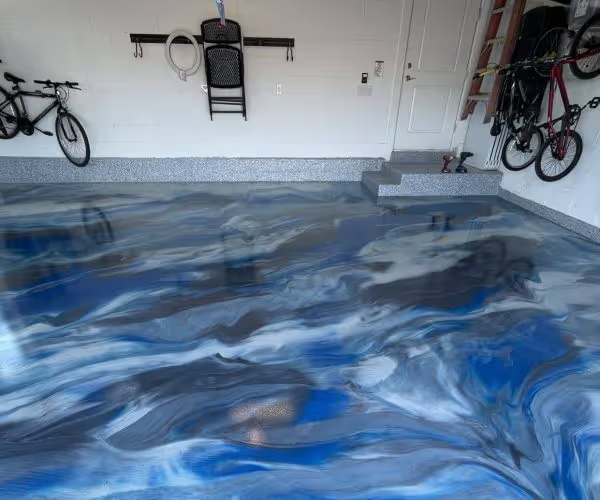
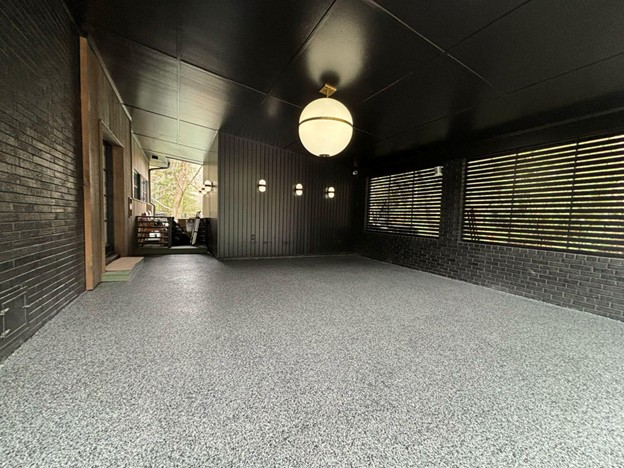
Neutral shades still dominate most commercial projects because darker colors hide marks from equipment better. Lighter finishes sometimes brighten smaller rooms but also reveal dirt much faster later. Some businesses add flakes inside epoxy floor coating layers for texture and appearance improvements. It breaks up the flat industrial look many people dislike immediately.
Retail stores increasingly prefer custom epoxy floors because branding now influences interior surfaces more than before. Simple gray coatings still work well, though, especially inside workshops and service garages. Gloss levels also change how lighting reflects throughout large open areas indoors. Too much shine can feel uncomfortable after long working hours.
Moisture problems usually create expensive repairs later
Moisture remains one of the biggest reasons epoxy floor coating systems fail earlier than expected sometimes. Concrete naturally absorbs water when buildings lack proper vapor barriers underneath the slab. Installers normally test moisture levels before starting any coating application process. Skipping that step often leads to bubbling beneath finished surfaces.
Some property owners assume all epoxy floors resist every type of chemical damage automatically. That idea causes problems later when harsh solvents weaken certain coating layers unexpectedly. Different formulations exist for warehouses, hospitals, garages, and commercial kitchens separately. One product rarely fits every environment perfectly.
Conclusion
Choosing the right flooring system depends heavily on surface condition, moisture levels, and expected traffic inside the building. Atlantaflooring.io shares practical information that helps property owners compare flooring materials without complicated technical language everywhere. Well-installed epoxy floors can support demanding environments while still staying easier to maintain than many traditional surfaces today. Proper preparation and realistic expectations usually matter more than flashy finishes or exaggerated sales claims online.