
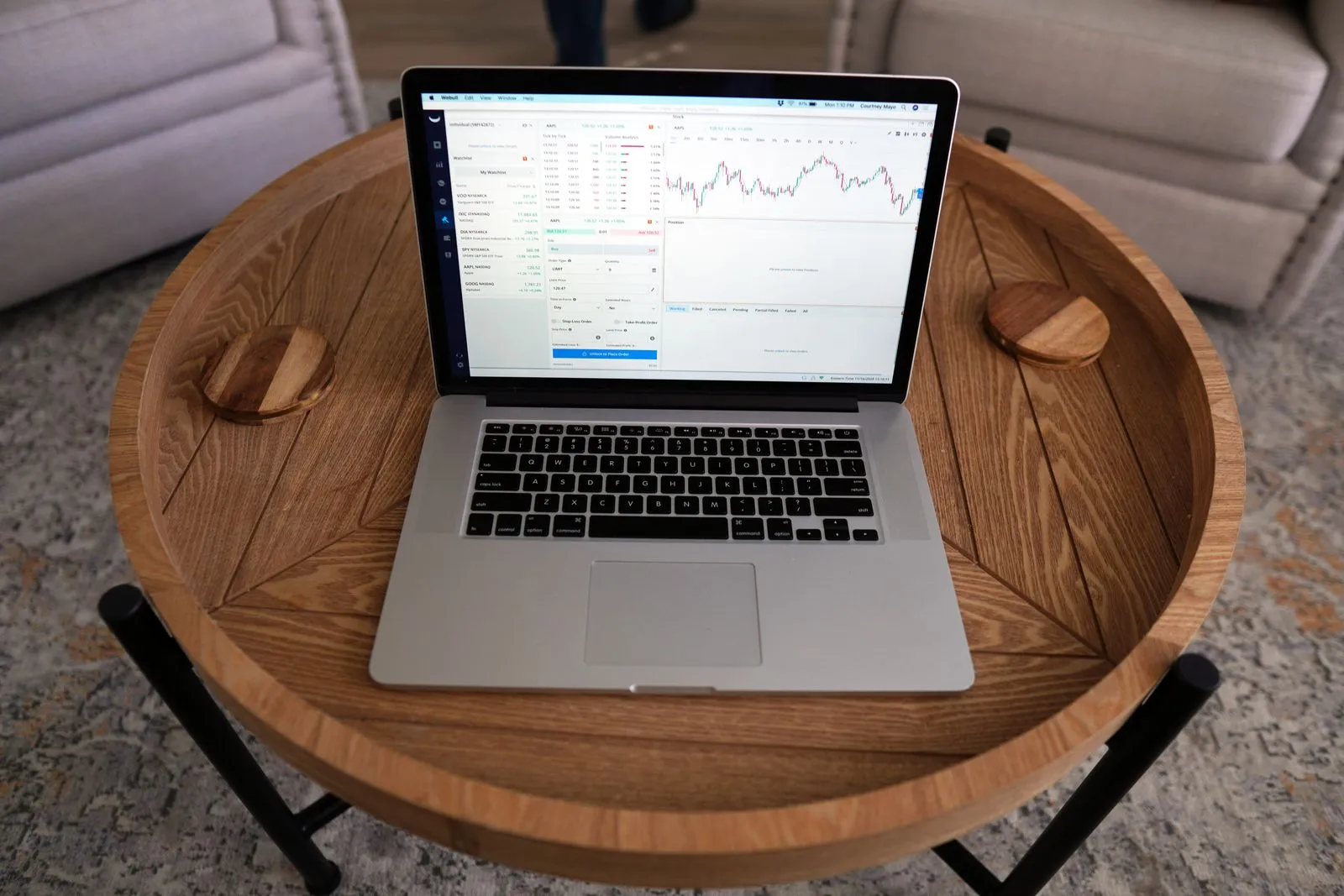
A currency pair that moves gradually during one trading session may experience dramatic price swings the following day. These changes can affect entry decisions, protective orders, and the amount of capital exposed to potential losses. Traders using a forex trading app should understand that market volatility is not constant and that a strategy suitable for calm conditions may become inappropriate when prices fluctuate sharply.
Volatility measures the extent of price changes over a particular period. It does not indicate whether prices will rise or fall. Understanding this distinction helps traders evaluate market conditions without assuming that larger movements automatically create better opportunities.
Recognize Different Market Volatility Conditions
Financial markets experience periods of relatively narrow price movements and periods when prices change considerably within minutes. Economic announcements, unexpected political developments, and changes in market participation can contribute to these differences.
Before selecting a position size, a profit margin calculator may help traders estimate margin requirements for supported instruments. However, required margin is different from the maximum potential loss. Even a position requiring limited initial capital can create substantial financial exposure when leverage is involved.
Understand Why Volatility Changes Quickly
Market volatility often increases when investors receive information that challenges their existing expectations. Central bank announcements, employment figures, and unexpected economic developments can trigger rapid reassessments of currency valuations.
However, volatility may also increase without a clearly identifiable headline. Changes in liquidity, institutional positioning, or broader financial sentiment can influence trading activity. Traders should avoid assuming that every significant price movement has one simple explanation.
Examine Historical Price Movement Patterns
Historical volatility describes how much prices fluctuated during an earlier period. Traders can review recent trading ranges and compare them with longer-term price behavior to understand whether current conditions appear unusually active.
These observations provide useful context but cannot establish future volatility levels. A quiet market can become unpredictable following an unexpected announcement. Historical measurements should therefore support preparation rather than provide reassurance that prices will remain within familiar boundaries.
Adjust Position Sizes To Market Conditions
Position sizing plays an important role in controlling financial exposure. When price fluctuations increase, an unchanged position size may expose a trader to greater short-term account movements than originally anticipated.
Some traders respond by reducing exposure or avoiding transactions during unusually volatile conditions. These decisions should reflect available capital and acceptable risk limits. Maintaining the same position size under every circumstance may overlook important differences in market behavior.
Avoid Confusing Volatility With Opportunity
Rapid price movements can create excitement, especially when financial headlines emphasize dramatic market changes. However, increased volatility also creates greater uncertainty about transaction prices and potential losses.
A large trading range does not guarantee that a trader can capture a favorable portion of the movement. Spreads may widen, orders may experience slippage, and prices can reverse unexpectedly. Waiting for clearer conditions may be more appropriate than pursuing every dramatic fluctuation.
Consider Volatility Across Different Sessions
Currency trading activity changes as financial centers in Asia, Europe, and North America become active. These transitions can influence liquidity and the frequency of significant price movements.
The relationship between trading hours and volatility also depends on scheduled announcements and unexpected events. Traders can observe how selected currency pairs behave during different sessions without assuming that any particular period is consistently safe or profitable.
Build Volatility Awareness Into Reviews
A trading journal becomes more informative when it records market conditions alongside individual transactions. Traders can note whether prices were relatively stable, unusually active, or affected by important announcements.
Reviewing these observations may reveal whether certain conditions repeatedly interfere with decision-making. However, conclusions should be based on sufficient examples. One successful trade during extreme volatility does not establish that similar conditions will consistently produce favorable outcomes.
Maintain Flexibility Without Abandoning Discipline
A structured trading plan should remain consistent in its risk-management principles while allowing traders to respond appropriately when market conditions change. Flexibility may involve reducing exposure, reassessing technical levels, or choosing not to participate.
These adjustments should follow considered rules rather than emotional reactions. Increasing leverage simply because prices are moving rapidly can magnify losses. Responsible traders recognize that avoiding unsuitable conditions is sometimes a valid part of market participation.
Conclusion
Market volatility influences trading conditions, execution costs, and the financial risks associated with open positions. Understanding changing price ranges can help traders prepare more carefully and avoid unrealistic assumptions about potential returns. Educational resources and market tools available through tradewill.com may support further learning and analysis. Nevertheless, volatility cannot be predicted with certainty, and leveraged trading can produce substantial losses. Careful position sizing, independent research, and disciplined risk management remain essential when navigating changing financial markets.


